Home Loans for Doctors in Australia: Borrow up to 95% With No LMI

Last updated: September 2026. Reviewed by the Soren Financial broker team.
If you work in medicine, lenders treat you differently, and it works in your favour. Several banks will lend a doctor up to 95% of a property’s value and waive Lender’s Mortgage Insurance completely. On a typical Sydney purchase that is tens of thousands of dollars you keep, and it can bring your plans forward by a year or two because you no longer have to sit on a 20% deposit.
Dentist? You sit in the same tier, but how you are paid changes the application. See home loans for dentists.
Below we cover how the doctor home loan waiver works, which roles qualify, what it is worth in real numbers, and how to land the right lender rather than the first one that says yes. For a deeper walkthrough, see our medical professional home loan guide.
Not sure where you would land? Answer a few quick questions and see which medico home loan options could suit you.
What is a doctors home loan?
A doctors home loan isn’t a separate product with its own rate card. It’s an ordinary home loan where the lender waives Lender’s Mortgage Insurance because of your profession, so an eligible medical professional can borrow up to 95% of the property value on a 5% deposit and pay no LMI premium at all. Home loans for medical doctors carry the same rates, offset accounts and redraw features as any other borrower gets. What changes is the policy applied to your AHPRA registration, not the loan itself.
What is the doctor’s LMI waiver?
Most borrowers who put down less than 20% get charged Lender’s Mortgage Insurance. It is a one-off premium that protects the bank if the loan ever goes bad, not you. On a larger loan it can run past $30,000, and it is usually added straight onto the amount you owe.
Doctors are the exception. Medical incomes are steady and defaults are rare, so a group of lenders drop the LMI requirement for eligible health professionals. You can buy with a deposit as small as 5% and pay nothing for the insurance. The catch is that only some lenders offer it, and each one sets its own rules, which is why the choice of lender matters as much as the size of your deposit.
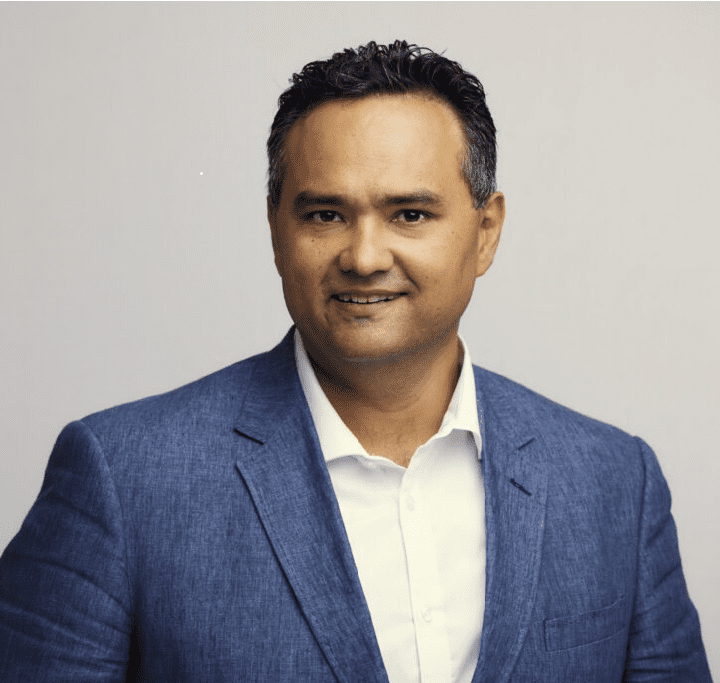
“The most expensive mistake I see doctors make is walking into their own bank and accepting the first approval. Your registration can get you a loan up to 95% with no LMI — but only a handful of lenders offer it, and their policies change constantly. Getting the lender match right is regularly worth tens of thousands more than shaving a fraction off the rate.”
Mansour Soltani, Soren Financial
What is it actually worth?
LMI usually falls between 1% and 5% of the loan, and it climbs fast as your deposit shrinks. Here is a rough guide to what a doctor avoids by having it waived:
| Property value | Deposit | Approx. LMI a doctor avoids |
|---|---|---|
| $800,000 | 10% | ~$21,000–$32,000 |
| $1,000,000 | 10% | ~$30,000–$44,000 |
| $1,500,000 | 5% | ~$50,000+ |
Take a $1,000,000 purchase with a 10% deposit. A standard borrower might pay somewhere around $30,000 to $44,000 in LMI, added onto the loan and quietly collecting interest for the next thirty years. A doctor using the waiver pays none of it, and the repayments stay lower for the life of the loan. You can test your own figures with our borrowing power and repayment calculators.
How it plays out in practice
- The first-home-buyer GP. A GP buying a $950,000 home with a 10% deposit. At her own bank, LMI would have added around $27,000 to the loan. Using a medico waiver we placed her at 90% LVR with no LMI, so she kept the full amount and her repayments came in lower.
- The specialist upgrading. A specialist buying a $1.6M family home with a 5% deposit. The 95% no-LMI policy meant he avoided roughly $55,000 in LMI and bought about 18 months sooner than if he had waited to save a 20% deposit.
- The dentist investor. A dentist moving into an investment property used the waiver to borrow at a higher LVR, which freed up cash for the deposit on a second purchase.

Who qualifies for home loans for medical doctors?
Eligibility comes down to your profession and your registration, not just your salary. This is roughly how the main groups line up in 2026:
| Profession | Max LVR with no LMI | Notes |
|---|---|---|
| Doctors, GPs, surgeons, specialists and dentists | Up to 95% (5% deposit) | Often no minimum income; loans up to ~$5M at select lenders |
| Allied health: optometrists, pharmacists, physiotherapists, podiatrists, sonographers, radiographers, vets | Up to 90% | Available across a good range of lenders |
| Registered nurses and midwives | Up to 90% | Some lenders only; usually a minimum income and a narrower panel |
Doctors, dentists and specialists have the widest choice of lenders and the highest limits. Allied health roles usually sit at 90% with a solid list of banks behind them. Nurses and midwives can reach 90% at some lenders too, though the panel is smaller and there is often a minimum income to meet.
In every case you need to be registered with AHPRA and working in an accepted field. If you have just qualified, or you are still on a training pathway, it is worth asking anyway. Some lenders count you in earlier than you might expect.
“Never assume you don’t qualify because one lender said no. I’ve seen a nurse declined at a major bank and approved at 90% with no LMI elsewhere in the same week. It all comes down to matching your profession, registration and income to the right lender’s policy.”
Mansour Soltani, Soren Financial
What you’ll need to get started
A decision is usually quicker than people expect. For most applications we ask for proof of your AHPRA registration, recent payslips or your employment contract, photo ID, and a summary of your deposit and any current debts. If you are self-employed, or you run through a company or trust, we look at your last year or two of financials instead. You can get a free report on where you stand before we talk, so the first call is spent on options rather than admin.
How the process works, step by step
The waiver is a lender policy, not a product you apply for, so most of the work is matching you to the right lender before anything is submitted. In practice it runs like this.
- Match your role to the lenders that will actually waive the premium. Every lender keeps its own list of eligible professions and registration categories. A dentist or vet who is eligible at one bank may not be at the next, so this step decides most of the outcome.
- Work out what you can borrow. How your income is read matters as much as the waiver itself, particularly if you have private practice income, on-call or overtime earnings, a HECS balance, or you bill through a company or trust.
- Get pre-approval before you start making offers. This confirms the lender has accepted your profession as eligible and gives you a firm number to bid to, rather than an estimate.
- Make your offer, then move to formal approval. The lender values the property and issues formal approval. Because there is no insurer involved, there is one fewer party to satisfy, which is often why these applications move faster.
- Settle, then review the structure. Once the loan is running it is worth checking the rate, offset arrangement and repayment type still suit you, especially if a practice purchase or an investment is on the horizon.
If you are not a doctor but work elsewhere in healthcare, our broader guide to medical professional home loans covers vets, pharmacists and allied health, along with practice lending and tax considerations.
More than a waived premium
- Bigger borrowing power. Some lenders assess your income more generously.
- A smaller deposit. Buy sooner instead of waiting years to reach 20%.
- Investment loans too. The waiver often applies to investment purchases at select lenders, which helps you build a portfolio faster.
- Sharper rates and offset accounts on professional packages.
Plenty of doctors put the same policy to work on an investment property, not just a home, so they keep more cash on hand for the next move. If your main goal is simply to sidestep the premium, our guide on how to avoid Lender’s Mortgage Insurance runs through the other routes as well.
Want a sense of the numbers before you speak to anyone? It takes about two minutes.
Why use a Soren Financial broker?
We compare more than 50 lenders, and medico policies shift often enough that last year’s best option might not be this year’s. Our job is to find the lender whose waiver, rate and borrowing limit suit your situation, then carry the application through to settlement so you are not chasing paperwork between shifts. We do this every week for medical clients across Sydney. If you would rather know who you are dealing with first, have a look at the team behind Soren.
FAQs
Can doctors get a home loan with no LMI?
Yes. Select lenders waive LMI for eligible doctors borrowing up to 95% of the property value, so a 5% deposit means no LMI premium at all.
How much deposit does a doctor need?
As little as 5% at lenders offering the medico waiver, against the 20% a standard borrower needs to avoid LMI.
Which medical professions qualify for an LMI waiver?
Doctors, dentists and specialists have the widest access, up to 95% LVR. Allied health professionals and nurses usually qualify at 90%, though the lender panel is smaller.
Do I need a minimum income?
Many lenders set no minimum income for doctors and specialists. Nurses and some allied health roles may need to meet a threshold, and we check which lenders fit before you apply.
Are the interest rates higher on a doctor home loan?
No. It is a standard home loan, often on sharper professional-package rates. The waiver removes the LMI cost without adding anything to the rate.
Can I use the waiver for an investment property?
Often, yes. Several lenders extend the LMI waiver to investment loans for medical professionals.
Is a doctor home loan a special product?
Not really. It is a standard home loan with the LMI waiver, and sometimes rate or borrowing benefits, applied because of your profession. It is not a separate, more expensive product.
How much can I borrow with a doctors home loan?
Eligible doctors, dentists and specialists can borrow up to 95% of the property value with no LMI, and a few lenders will go to around $5 million. Allied health and nursing roles are generally capped at 90%. Your real limit depends on how the lender reads your income, so it’s worth confirming before you make an offer.
Do home loans for medical doctors cover dentists, vets and allied health?
Yes, though the caps differ. Dentists sit alongside doctors and specialists at up to 95%. Vets, pharmacists, optometrists, physiotherapists and other allied health roles usually reach 90%, and registered nurses and midwives can get to 90% at a smaller group of lenders.
Can a doctor borrow 100% of the purchase price?
No. The waiver removes the LMI premium up to 95% of the property value — you still need the remaining 5% plus your purchase costs. What can close that gap is a family guarantee, where a parent offers part of their own property as extra security. The no-deposit doctor loans you see advertised are almost always American; the Australian version stops at 95%.
Can registrars, residents and medical students get the LMI waiver?
Registrars and residents, usually yes — most lenders offering the waiver accept doctors still in training, provided you are registered with AHPRA and working under a contract. Medical students are the exception. With no assessable income there is nothing for the lender to service the loan against, so a guarantor is normally the only way in. If you have signed an employment contract that starts in a few months, say so early — some lenders will assess you on the contracted salary before your first payslip arrives.
Which lenders offer the doctor LMI waiver?
Both major banks and second-tier lenders do, and we compare more than 50 residential lenders across them. We do not publish a list, and be sceptical of anyone who does. The eligible occupation codes, the maximum loan sizes and the maximum LVRs all change without notice, so a table written six months ago is wrong somewhere. What matters is which of those lenders will approve your situation, and that is the part we work out before you apply anywhere.
Does the waiver apply outside Sydney — in Melbourne, Brisbane and regional Australia?
Yes. The waiver sits in lender policy and applies nationally, not state by state. What does matter is the property itself. Some lenders cut the maximum LVR in postcodes they treat as higher risk: small towns, dense apartment markets, or anywhere with a lot of stock listed at once. That is about the property, not about you. Check it before you make an offer.
Can I use the waiver to buy my practice premises?
No — buying the rooms you practise from is commercial lending, and it is assessed on a different basis: the lender looks at the business, the lease and the property type, not just your income. The LMI waiver does not apply to commercial security. Our page on commercial property loans sets out how those deals are assessed, and plenty of doctors end up running both loans side by side.
Can I use the waiver on more than one property?
Sometimes. A handful of lenders will apply it again on a second loan. Most apply it once per borrower. Some cap your total borrowing across every loan you hold, not per property. If the plan is to build a portfolio, the order you buy in — and which lender you start with — matters more than the waiver on any single purchase, because moving that first loan later can cost you the concession.
This information is general and does not take your personal circumstances into account. Eligibility, rates and LMI waivers are set by individual lenders and can change.
Ready to see your options? Answer a few quick questions and we will show you where you stand.